
Formula details
Product Details
Overview
Core Marine Electrical Component Categories
We supply direct-fit, commercial-grade marine engine electrical parts engineered to eliminate saltwater corrosion, handle high thermal loads, and prevent vessel downtime. Our catalog covers essential starting, charging, ignition, and power distribution systems for both 12V and 24V marine applications.
Starting & Cranking Components
-
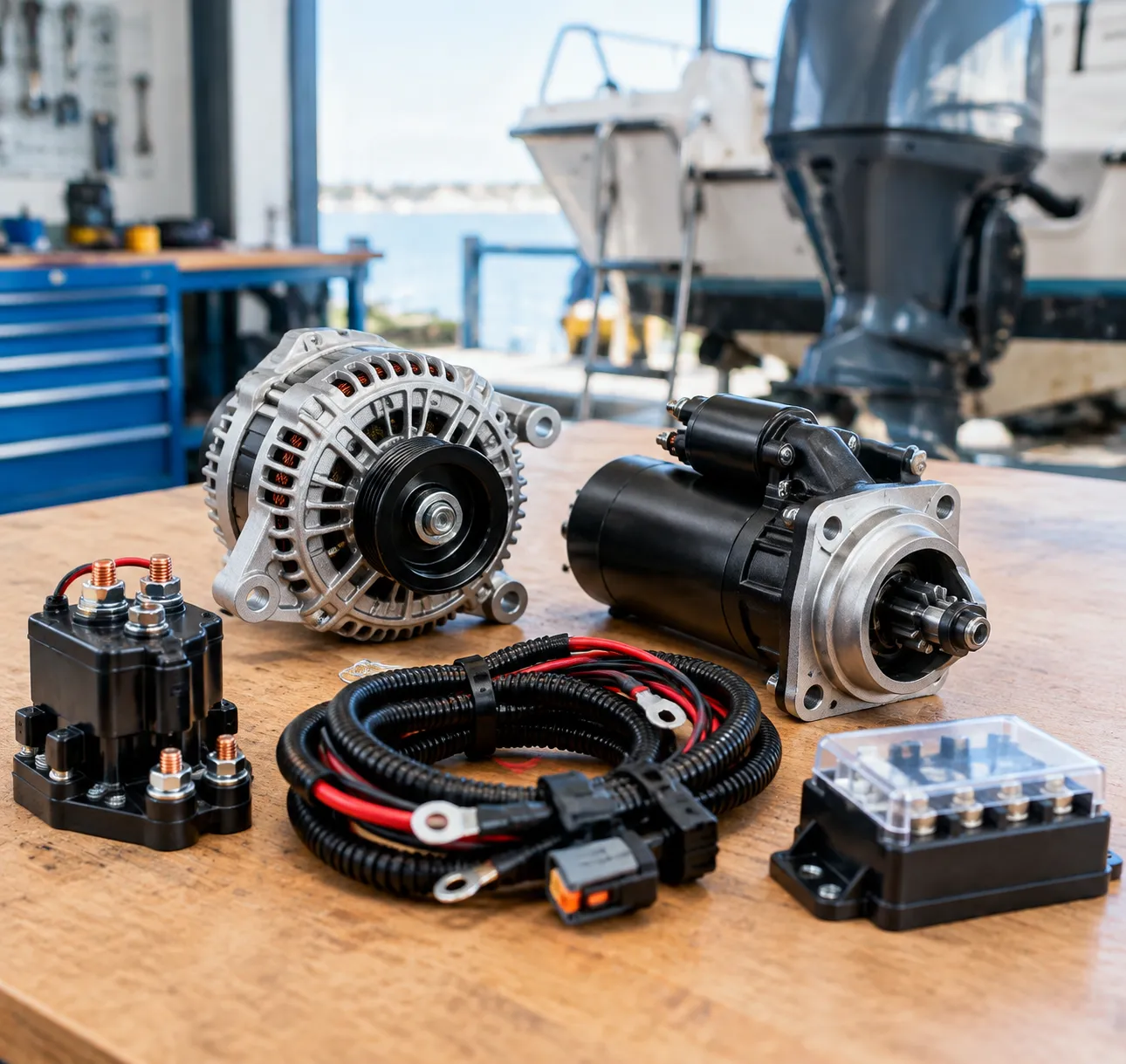
- Marine Starter Motors: High-torque, sealed starter units built for rapid engine cranking across 2-stroke and 4-stroke platforms.
- Marine Starter Solenoids & Relays: Heavy-duty, high-amp contactors designed with sealed housings to prevent moisture ingress and internal arcing.
Charging & Power Regulation
-
- Marine Alternators: High-output charging units delivering stable DC power across idle and cruising RPM ranges.
- Voltage Regulators & Rectifiers: Solid-state regulator-rectifiers that convert stator AC power to stable DC output while protecting batteries against overvoltage and thermal runaway.
Ignition, Management & Sensor Electronics
-
- Capacitor Discharge Ignition (CDI) Modules: Sealed power packs and engine control units delivering precise spark timing.
- Stator & Trigger Pulser Coils: High-temp wound stator assemblies and trigger coils delivering reliable charge and trigger signals.
- Outboard Ignition Coils & Sensors: Heat-potted ignition coils and temperature/pressure senders built to resist cracking under intense engine vibration.
Wiring Harnesses & Circuit Protection
-
- Engine Wiring Harnesses: Marine-grade tinned copper harnesses with sealed multi-pin plugs resisting salt spray and oil exposure.
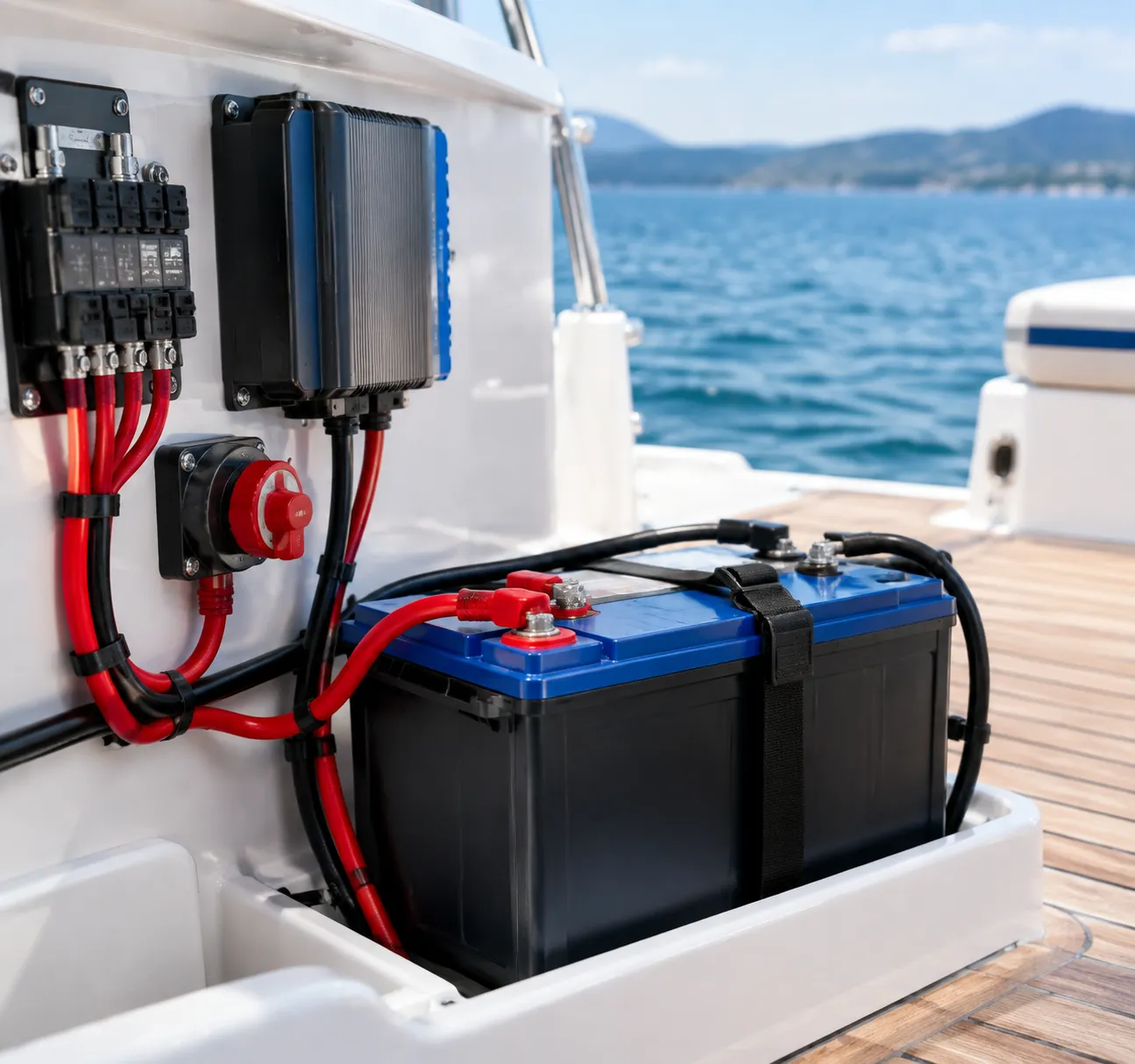
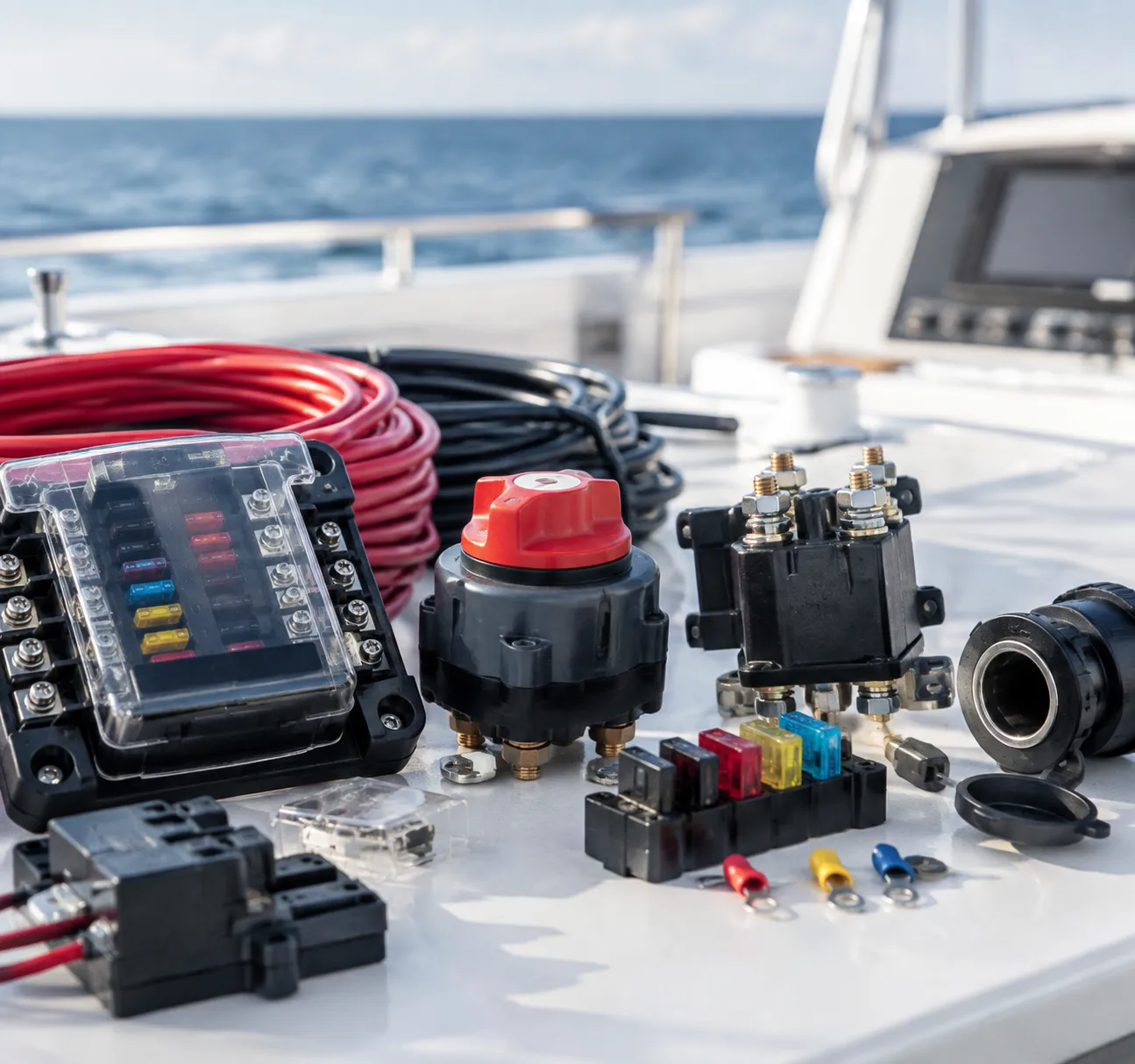
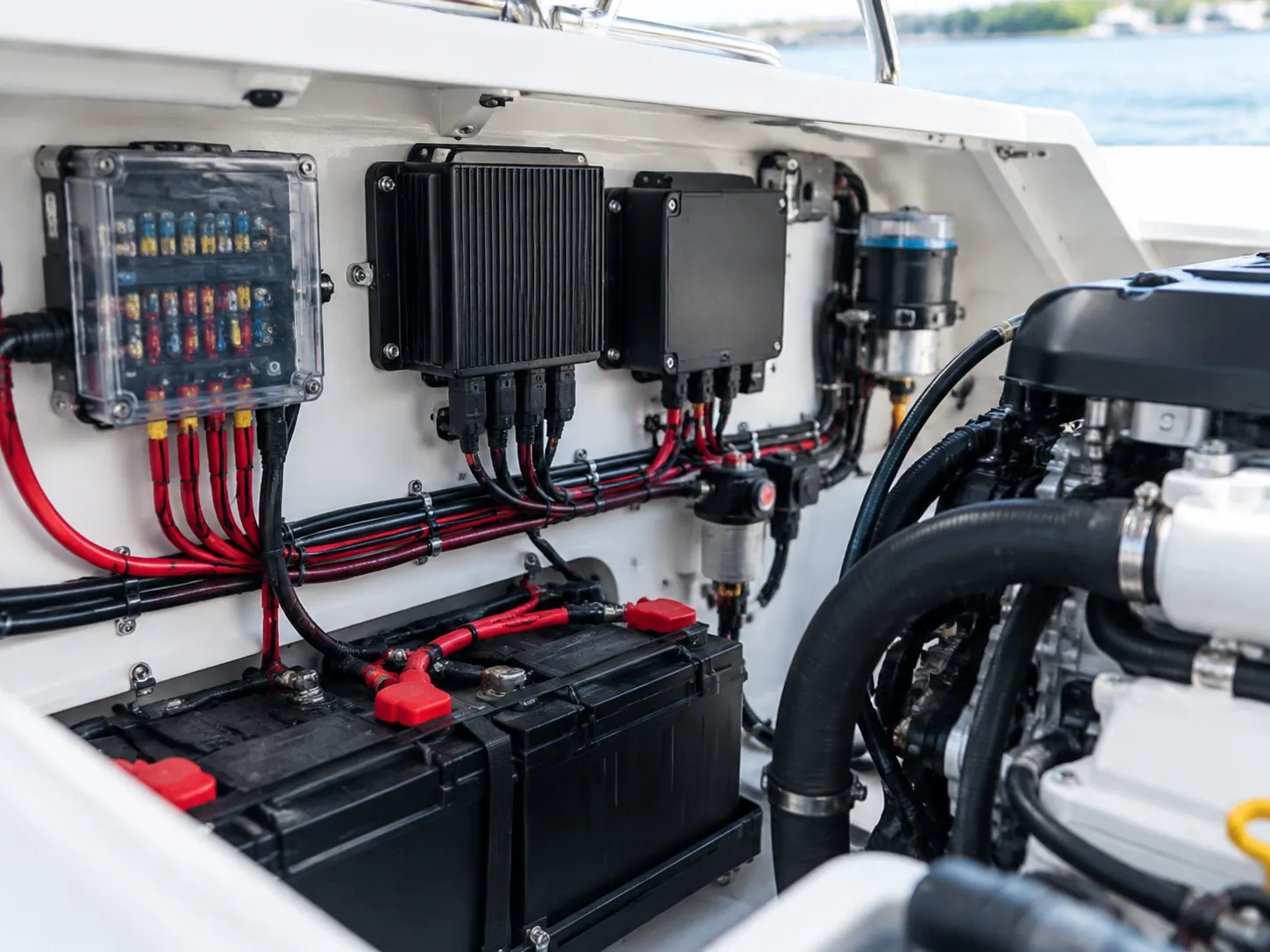
- Circuit Protection: Water-resistant fuse blocks and terminal junction assemblies for secure, corrosion-free power routing.
| System Category | Key Components | Primary Technical Focus |
|---|---|---|
| Starting Systems | Starter motors, starter solenoids, starter relays | High-torque output, sealed housing, fast cranking |
| Charging & Power | Marine alternators, regulator-rectifiers | Solid-state regulation, steady 12V/24V DC charging |
| Ignition Electronics | CDI modules, ignition coils, stators, trigger coils | Hermetic potting, vibration resistance, spark accuracy |
| Harnesses & Wiring | Engine wire harnesses, multi-pin plugs, fuse blocks | Tinned copper conductors, marine-sealed connectors |
Engine Brand Compatibility & OEM Cross-Referencing
Our inventory covers both modern four-stroke electronic fuel injection (EFI) engines and legacy two-stroke platforms:
-
- Outboard Engine Platform Coverage: Direct-fit replacement units for Yamaha, Mercury / Mariner, Suzuki, Tohatsu, Honda, and OMC (Johnson/Evinrude). We supply everything from 2-stroke power packs and trigger coils to high-output EFI alternators and starter motors.
- Inboard & Sterndrive Coverage: Factory-matched electrical components for MerCruiser, Volvo Penta, Yanmar, and Cummins marine diesel and gasoline engines, including heavy-duty starters, sealed solenoids, and marine alternator systems.
- OEM Cross-Reference Matching: We provide precise cross-referencing against original manufacturer part numbers as well as major aftermarket standards, including Sierra Marine, Arco, and CDI Electronics.
| Engine Platform | Engine Types | Supported Electrical Components |
|---|---|---|
| Yamaha / Suzuki / Honda | 2-Stroke & 4-Stroke Outboards | Starter motors, rectifiers/regulators, ignition coils, pulser coils |
| Mercury / Tohatsu | OptiMax, Verado, 2T/4T Outboards | Stator assemblies, CDI switch boxes, trim solenoids, harnesses |
| MerCruiser / Volvo Penta | Gas & Diesel Sterndrives / Inboards | SAE J1171 starters, marine alternators, slave relays, sensors |
| Yanmar / Cummins | Commercial Inboard Diesels | 12V / 24V starters, heavy-duty charge alternators, stop solenoids |
Whether replacing a single failed unit or stocking regular maintenance inventory, our marine electrical components parts and spare parts ensure fast, drop-in replacement with zero modifications required.
Marine-Grade Engineering & Quality Standards
Marine electrical components operate in extreme, high-stress environments where automotive-grade units quickly fail. We build and supply every electrical assembly to exceed strict commercial marine durability benchmarks, preventing downtime, corrosion, and safety risks.
Corrosion & Salt-Fog Defense
-
- Electrostatic & Zinc Platings: External casings, fasteners, and brackets feature zinc-dichromate platings and multi-layer electrostatic powder coatings rated for 500+ hours of continuous salt-spray exposure.
- Protected Contact Points: Heavy-gauge marine brass and copper terminals resist galvanic corrosion in raw saltwater and humid bilge conditions.
Certified Ignition Protection Standards
Inclosed engine compartments collect volatile fuel vapors. Our starting, charging, and switching units are fully sealed to eliminate spark risks and maintain strict global safety compliance:
SAE J1171 & ISO 8846 Certified: Ensures spark-arresting performance for enclosed marine engine rooms and outboard cowlings.
USCG Marine Compliance: Built to meet global maritime standards across our entire lineup of marine spare parts and equipment.
Vibration Isolation & Hermetic Sealing
Constant wave-pounding and high-RPM engine harmonics can fracture standard solder joints and circuit boards. We safeguard internal electronics through trade-proven protection methods:
| Component Protection | Engineering Method | Marine Application Benefit |
|---|---|---|
| Epoxy Potting | Solid marine-grade resin encapsulation | Completely locks out moisture and isolates CDI units and regulators from vibration shocks. |
| Hermetic Gaskets | High-temp silicone O-rings & seals | Prevents water, fuel, and oil penetration into starters, alternators, and sensor housings. |
| Reinforced Windings | Heavy Class H and Class F insulated copper wire | Prevents internal short circuits caused by thermal cycling and heavy mechanical loads. |
Technical Specifications & Operating Parameters
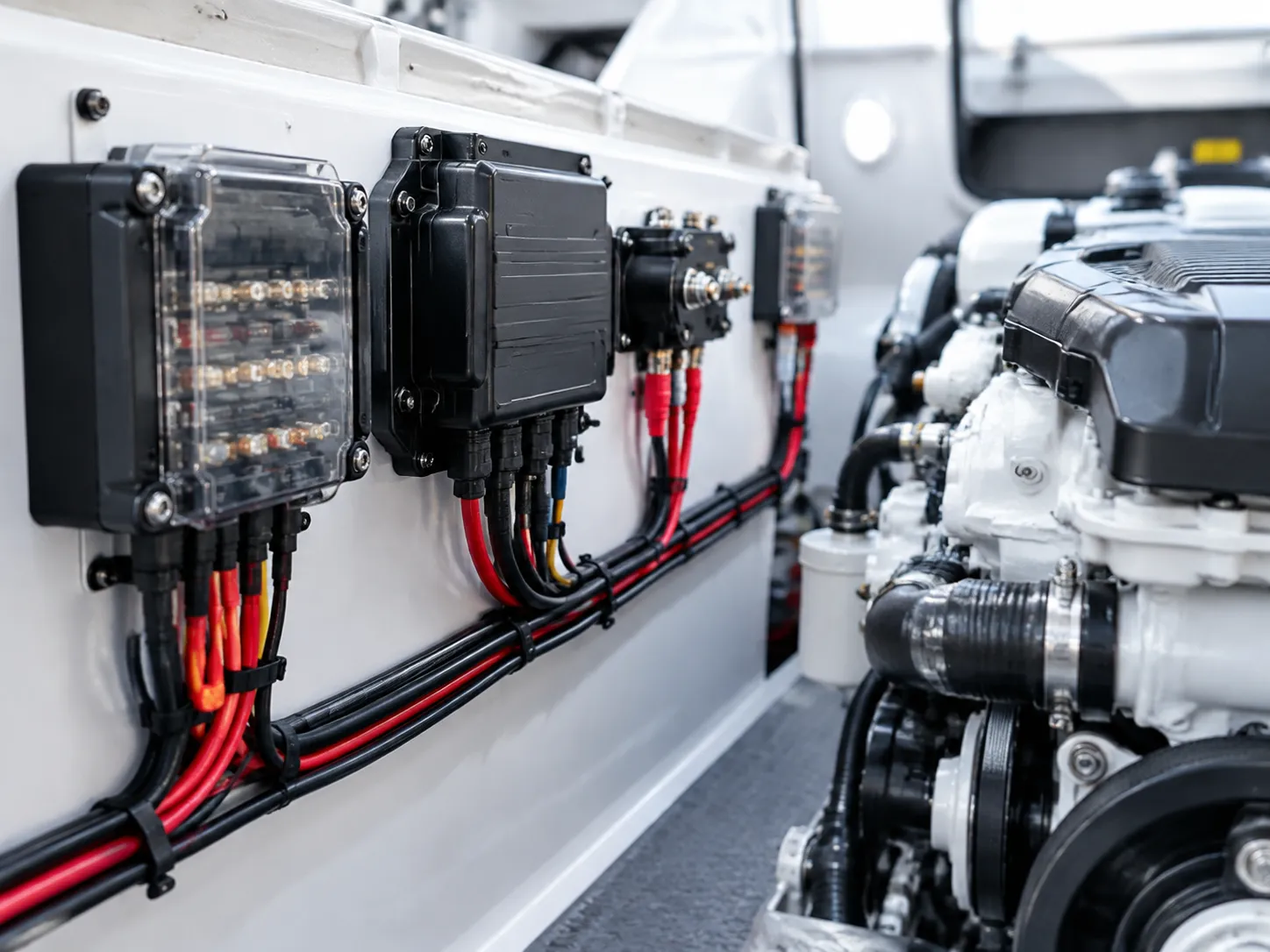
We build and calibrate our marine engine electrical parts to strict industrial baselines, ensuring direct electrical compatibility and mechanical endurance across commercial and recreational vessels. Matching these operating parameters reduces downtime and supports ongoing technical management across high-hour working fleets.
| Specification | Standard Rating / Parameter | Target Marine Application |
|---|---|---|
| System Voltage | 12V DC / 24V DC Nominal | Outboard, inboard, and auxiliary power units |
| Operating Temp Range | -40°C to +105°C Continuous | High-heat engine compartments and open transoms |
| Insulation Class | Class H (180°C) & Class F (155°C) | Alternator stators, starter field coils, ignition packs |
| Terminal Hardware | Solid Marine Brass & Stainless Steel | Battery lugs, solenoid posts, grounding points |
| Plugs & Ingress Protection | IP67/IP68 Deutsch-Style Multi-Pin | Sensor lines, ECM wiring, and trigger harnesses |
System Voltage Ratings
Our product line supports standard 12V DC and 24V DC marine charging systems and starting circuits. Voltage tolerances are engineered to handle battery voltage spikes, heavy cranking loads, and steady-state alternator outputs without component breakdown.
Thermal Resistance & Insulation
-
- Wide Thermal Tolerance: Stable operation from -40°C to +105°C, preventing insulation cracking in freezing storage or breakdown in enclosed engine bays.
- Class H & F Windings: Heavy-gauge pure copper windings wrapped in high-temp dielectric resins handle sudden current spikes and thermal cycles.
Heavy-Duty Terminals & Connectors
-
- Corrosion-Proof Marine Brass Studs: High-conductivity terminal posts resist galvanic corrosion and saltwater oxidation under heavy load.
- Sealed Deutsch-Style Plugs: Multi-pin engine harness connections feature silicone weather seals and positive-locking clips that eliminate vibration-induced disconnects.
Diagnostics & Common Electrical Troubleshooting
Electrical faults on the water quickly turn minor mechanical issues into costly downtime. We focus on direct diagnostics to identify failing marine engine electrical parts before swapping out functional components.
| Symptom | Primary Fault Location | Diagnostic Test | Immediate Action |
|---|---|---|---|
| Engine clicks, no crank | Starter solenoid or battery cable drop | Measure voltage drop across the relay terminals under load (<0.5V drop required) | Clean corroded terminals or replace faulty inboard starter relays / starter solenoids |
| Battery drain / Overcharging | Regulator-rectifier or alternator diode | Check DC output at 3,000 RPM (13.8V–14.4V normal) and test for AC voltage leak | Swap damaged marine voltage regulator rectifier or alternator diode pack |
| High-RPM misfire / Bogging | Stator high-speed coil, trigger, or CDI | Check stator resistance (Ohms) and peak DVA voltage during cranking/running | Replace failing marine stator assembly or marine CDI ignition unit |
| No spark on one cylinder | Dedicated ignition coil or trigger wire | Measure primary/secondary coil resistance and test trigger pulser continuity | Swap out defective outboard ignition coils |
Engine Clicks but Will Not Crank
A rapid click or complete silence when turning the ignition key usually points to high resistance rather than a dead starter motor.
Voltage Drop Isolation: Place multimeter leads on the battery positive terminal and the starter motor main B+ terminal while engaging the starter. A drop greater than 0.5V DC confirms corroded battery cables, a weak ground, or pitted internal contacts in the starter solenoid switch.
Starter Bench Test: If full system voltage reaches the starter post but the unit draws excessive amps without turning, the internal brushes or armature windings have seized.
Battery Draining or Overcharging
Faulty charging components can either cook marine batteries with high voltages or leave vessels stranded with drained cells.
Overcharging (>15.0V DC): Indicates a shorted shunt circuit inside the voltage regulator, boiling electrolyte fluid out of lead-acid cells.
Undercharging / Rapid Drain (<12.6V DC running): Signals blown positive or negative diodes in the boat engine alternator or a burned charge coil on the outboard stator. Use the diode-check setting on a multimeter to confirm one-way current flow.
Intermittent High-RPM Misfires
Ignition breakdowns under load are common across both 2-stroke and 4-stroke marine platforms.
Thermal Breakdown: Weak ignition coils and stator windings often run fine at idle but fail when engine compartment temperatures rise.
Trigger Pulser Coils: Inspect trigger harness leads for cracked insulation. Intermittent open circuits in the pulser wiring send erratic timing signals to the CDI box, causing severe timing jitter and misfires above 3,500 RPM.
For complete system overhauls, sourcing certified marine electrical parts and equipment ensures factory-spec ignition timing and consistent voltage output.
Preventative Field Maintenance
-
- Dielectric Protection: Apply marine-grade silicone dielectric grease inside all multi-pin harness plugs and rubber boots to displace saltwater vapor.
- Terminal Torque Specs: Inspect and re-torque all starter, ground, and alternator studs annually to prevent heat-induced terminal arching.
- Harness Continuity Checks: Flex harness runs along engine brackets while checking Ohm readings to catch broken internal copper strands before corrosion spreads.
Commercial Supply, Packaging & Warranty Support
B2B Wholesale & Fleet Pricing
We supply commercial shipyards, repair facilities, fleet managers, and marine distributors with scalable volume pricing tiers on our full inventory of marine engine electrical parts. By leveraging our direct marine parts sourcing capabilities, we provide consistent parts availability and wholesale pricing structures designed to lower operational overhead and eliminate vessel maintenance delays.
-
- Commercial Shipyards & Repair Yards: Priority fulfillment on high-turnover outboard electrical replacement parts, starter solenoids, and alternators.
- Fleet Operators & Municipal Vessels: Scheduled bulk orders and stock replenishment programs for scheduled overhauls.
- Regional Marine Distributors: Tiered volume discounts with flexible logistics options for containerized or palletized shipments.
Export-Grade Marine Packaging
Delivering electrical assemblies across international routes demands total defense against salt air, humidity, and physical transit impact. Every electrical component is packed to strict industrial export standards:
-
- Moisture-Barrier Protection: Vacuum-sealed, vapor-corrosion inhibitor (VCI) bags prevent atmospheric oxidation during ocean and air freight.
- Electrostatic Discharge (ESD) Shielding: Potted electronics, sensors, and CDI ignition modules are housed in anti-static materials.
- Shock-Resistant Boxing: Heavy-duty, custom-molded interior foam supports high-mass components like marine starter motors and heavy alternators against drop and vibration damage.
| Component Type | Packaging Standard | Protection Feature |
|---|---|---|
| Starters & Alternators | Reinforced double-wall corrugated boxing + custom foam inserts | Drop resistance & shaft protection |
| CDI / ECM Units & Sensors | Anti-static ESD shielding + sealed VCI moisture packs | Static & humidity isolation |
| Harnesses & Stators | Poly-sealed heavy-gauge bags + terminal cap protectors | Pin integrity & moisture defense |
Commercial Replacement Warranty
We stand behind the engineering of our electrical components with a standard 1-year commercial warranty across all marine electrical assemblies. If a component fails to meet operational specifications under normal marine service, our streamlined claims process ensures fast verification and replacement to keep your fleet operational. For structured procurement strategies and inventory planning, consult our comprehensive marine spare parts sourcing guide.
Frequently Asked Questions
Why are automotive electrical parts dangerous and non-compliant for marine use?
Automotive units are not ignition-protected and pose severe fire and explosion risks in enclosed boat engine compartments. Marine engines operate in environments where fuel vapors can collect. Unlike standard automotive components, our marine engine electrical parts comply with strict SAE J1171, USCG, and ISO 8846 standards. They feature:
Hermetic sealing and flame-arrestor screens to contain internal arcing and prevent vapor ignition.
Tinned copper wiring and marine-grade coatings that stop accelerated galvanic corrosion from salt spray.
Heavy-duty insulators built to withstand continuous high loads and thermal cycling on the water.
How do I find the correct replacement part using engine serial numbers and casting codes?
Locate the model nameplate on the transom bracket, cylinder block, or rocker cover. Matching replacement components accurately requires three main identifiers:
Engine Brand & Full Model Code: Identifies horsepower, stroke (2-stroke vs. 4-stroke), and generation.
Exact Serial Number Range: Pinpoints mid-year engineering revisions and electrical harness changes.
OEM Part Number or Casting Stamp: Cross-references directly against our catalog for starter motors, alternators, CDI power packs, and regulators to ensure drop-in compatibility.
What is the typical order lead time and express shipping availability for emergency vessel repairs?
We maintain high stock levels across all core electrical assemblies to eliminate commercial downtime. For critical vessel-down situations:
Global Express Dispatch: Emergency air-freight options deliver urgently needed marine electrical parts directly to repair yards, dry docks, and port locations worldwide.
Fleet Procurement: Through our one-stop vessel supply network, commercial operators and distributors can bundle electrical orders with standard spare shipments for fast customs clearance and predictable delivery timelines.