
Full-Lifecycle Newbuilding Supervision & Sea Trial Support
From block construction and machinery installation to sea trial protocol execution, our resident expert teams provide dedicated shipyard site supervision to ensure zero-defect vessel delivery. Explore our comprehensive maritime services to discover how we support every stage of your fleet's lifecycle.
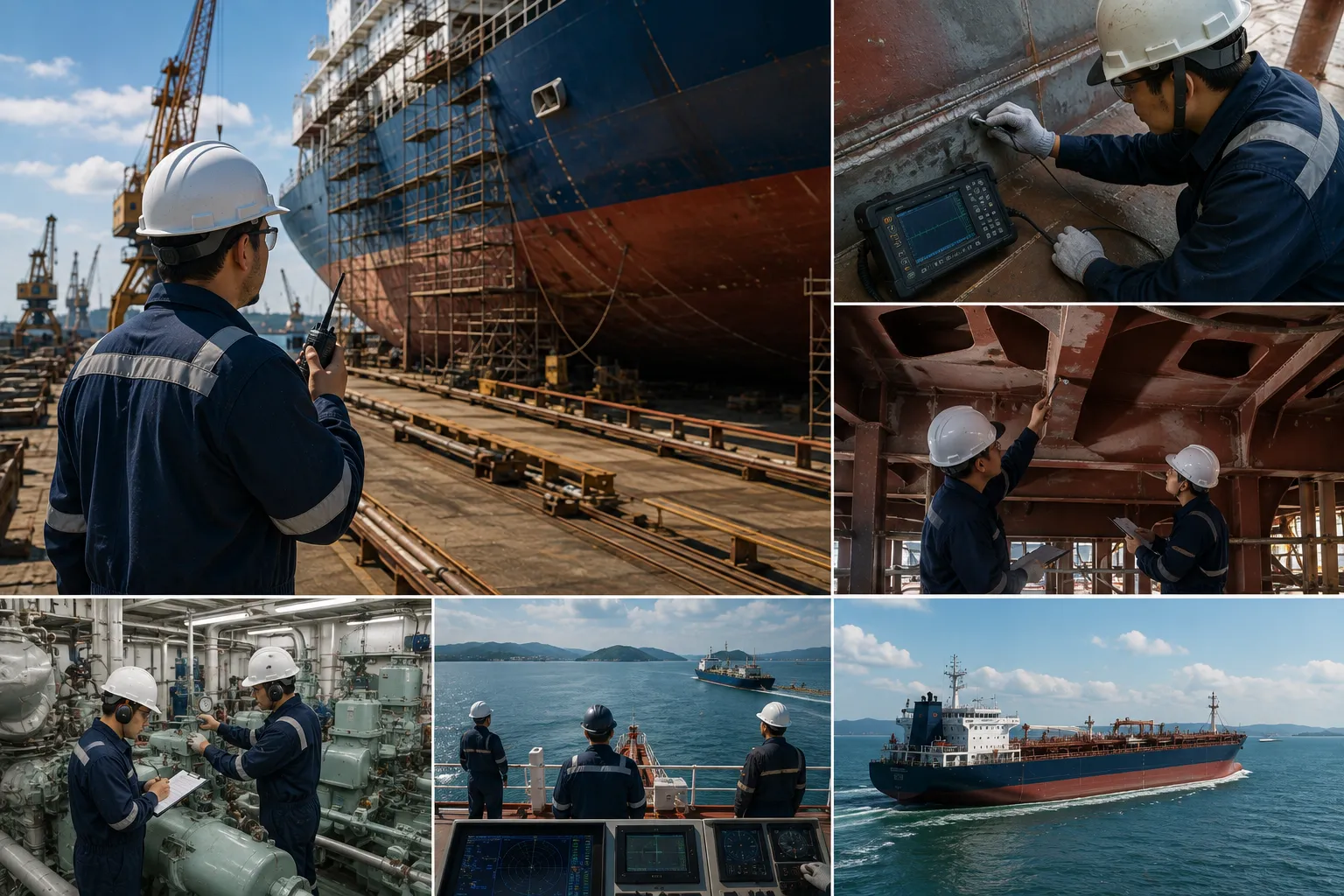
Resident marine engineers and naval architects safeguarding structural integrity, NDT testing, and sea trial technical protocols.
Comprehensive Shipyard Quality Control and Sea Trial Support
JUKO MARINE provides full-lifecycle site supervision to safeguard capital investments during vessel construction. From raw steel plate arrival to final sea trial commissioning, our resident surveyors enforce rigorous shipyard QA QC standards across all specialized marine services, ensuring every structural block, piping system, and electrical circuit strictly aligns with IACS classification rules and owner charterparty specifications.
Steel Structure & Coating Inspection
Continuous block fabrication oversight ensuring structural integrity, precise fit-up alignment, and long-term corrosion prevention across all hull blocks.
- •Block Fabrication Oversight: Dimensional accuracy, fit-up, and structural alignment checks.
- •NDT Weld Inspections: Comprehensive ultrasonic, magnetic particle, and radiographic weld auditing.
- •DFT Verification: Dry film thickness audits across ballast tanks, cargo holds, and hull plating.
- •Corrosion Protection: Surface prep (Sa 2.5), ambient monitoring, and sacrificial anode auditing.
Machinery & Electrical Systems Verification
Thorough machinery installation and electrical engineering oversight to guarantee optimal propulsion performance, safety trips, and system reliability.
- •Engine Alignment: Laser alignment checks for main engine bedplates and intermediate shafting.
- •Piping Pressure Testing: Hydrostatic and pneumatic pressure hold verification on vital fluid loops.
- •Switchboard Commissioning: High-voltage grid insulation tests, breaker trips, and PMS checks.
- •Automation Integration: Comprehensive testing of alarm monitoring, control logic, and safety cutouts.
Sea Trial Technical Coordination
Independent trial management capturing dynamic performance telemetry to verify speed guarantees, fuel consumption, and maneuvering capability.
- •Program Review: Pre-trial protocol audits, safety briefings, and instrumentation calibration.
- •Telemetry Verification: Real-time logging of main engine output, shaft torque, and speed runs.
- •Endurance Monitoring: Full-power engine endurance run oversight and UMS safety trip tests.
- •Speed Test Calibration: Environmental corrections applied strictly per ITTC trial guidelines.
Defect Tracking & Punch List Resolution
Rigorous tracking of construction deficiencies paired with root-cause technical analysis to guarantee 100 percent defect resolution before delivery.
- •Dynamic List Management: Real-time cloud-based punch list logging accessible to owners and yards.
- •Root Cause Analysis: Engineering solutions for recurring structural, mechanical, or electrical issues.
- •Class & Flag Liaison: Technical negotiation for non-conformity sign-off with IACS surveyors.
- •Pre-Delivery Validation: Systematic close-out verification ensuring zero outstanding major items.
Systematic Hull and Machinery Quality Control Framework
Effective vessel quality control demands an uninterrupted, proactive engineering presence directly on the shipyard floor. JUKO MARINE deploys dedicated marine engineers, naval architects, and former chief engineers to resident site offices worldwide. By establishing mandatory hold-point inspections at every phase—from raw steel reception to final outfitting—our resident team identifies structural misalignments, fitting defects, and coating flaws long before blocks are joined.
Our hull and machinery inspection workflows integrate advanced non-destructive testing (NDT), precise laser shaft alignment, and rigorous coating system audits. Through integrated technical-management practices, we monitor shop primer applications, relative humidity during painting, and dry film thickness across critical ballast tanks and underwater hull surfaces to prevent premature corrosion and costly post-delivery drydock repairs.
Integrated Shipyard QA QC Protocols
Standard shipyard quality control often relies on basic sample checks. JUKO MARINE enforces 100 percent hold-point inspections for critical operations, including main engine bedplate chocking, stern tube borings, switchboard busbar insulation tests, and piping pressure hold checks—mitigating operational downtime and post-delivery warranty disputes through comprehensive ship-management oversight.
Comprehensive Sea Trial Support
During trial execution, our experts monitor main engine endurance runs, electrical load rejection, emergency maneuvering, and unmanned machinery space (UMS) safety trips. We independently log raw trial telemetry and apply standardized ITTC hydrodynamic corrections for wind, wave, and water depth to protect shipowners' commercial interests.
Six-Stage Standardization Protocol for Sea Trial Execution
JUKO MARINE delivers an end-to-end sea trial protocol execution framework designed to safeguard shipowners during critical delivery milestones. From quay-side mooring audits to high-precision hydrodynamic speed corrections, our independent marine trial coordination team collects unbiased operational metrics to verify full compliance with contractual speed and endurance guarantees.
Pre-Trial Readiness Audit and Safety Clearance
Prior to unmooring from the shipyard berth, our specialized marine trial coordination experts conduct a comprehensive technical readiness audit. We align the official sea trial agenda with charterparty specifications, ensure calibrated precision instrumentation is installed, and assign experienced surveyors to primary monitoring posts.
Key Execution Tasks
- • Agenda Alignment: Review and refine the shipyard sea trial execution agenda against IACS classification standards and charterparty technical clauses.
- • Instrument Calibration: Verify valid calibration certificates for external fuel flow meters, torsional vibration sensors, shaft power meters, and differential GPS units.
- • Surveyor Deployment: Station dedicated trial engineers across the navigation bridge, engine control room (ECR), main deck, and steering gear compartment.
Pre-Trial Readiness Audit Clearance, Calibrated Instrument Verification Sheet, Tri-Party Safety Briefing Sign-off
Mooring Trial Audit and Power Systems Verification
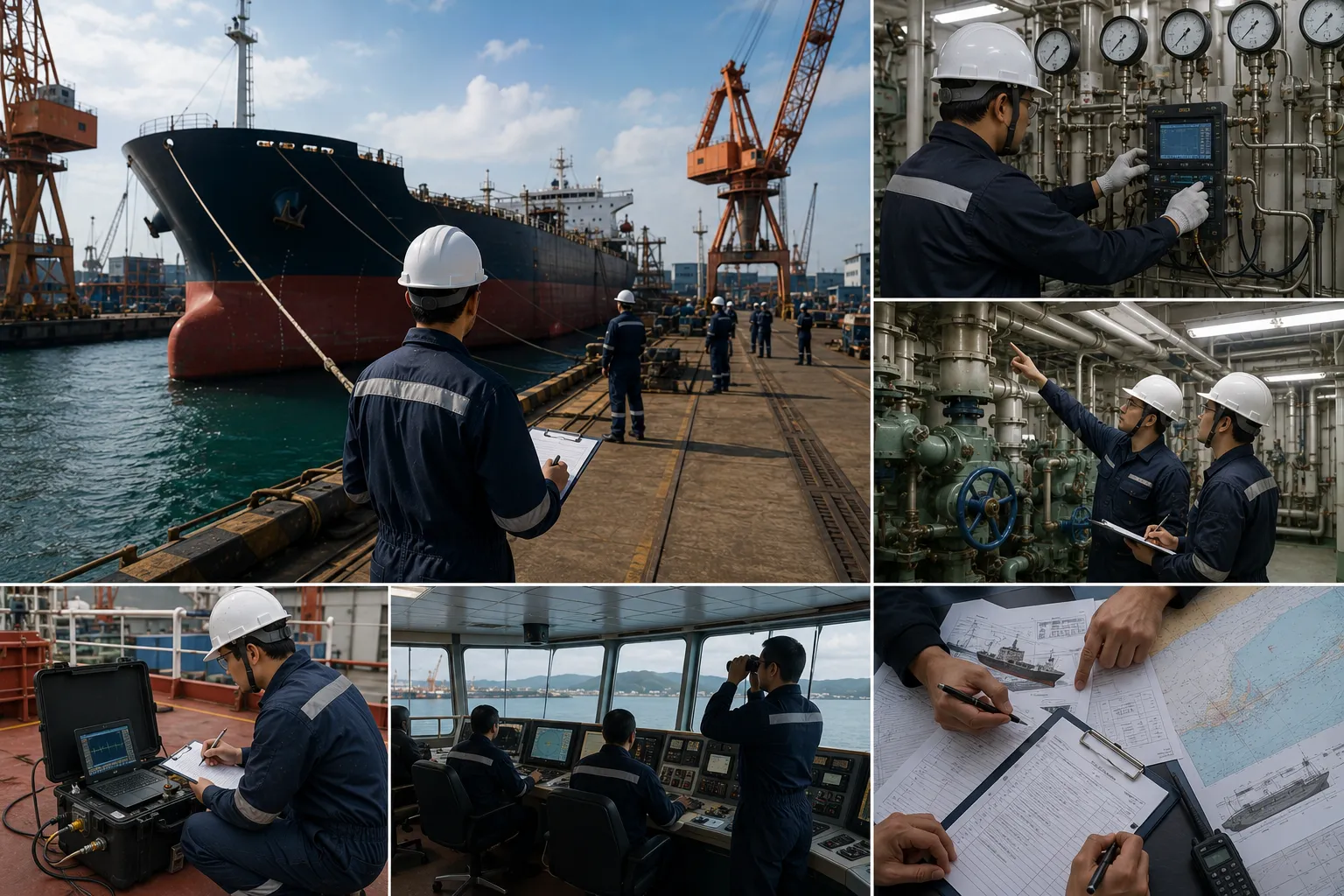
Before clearing the harbor for open waters, our dockside mooring trial audit verifies that primary propulsion machinery, switchboards, and emergency safety shutdowns perform flawlessly under static load conditions. Seamless operational readiness is supported by robust technical management practices across all auxiliary components.
Key Execution Tasks
- • Main Engine Load Rejection: Test governor dynamic response, quick-closing fuel trip valves, and overspeed trip mechanisms under simulated quay loads.
- • Generator Parallel Operations: Validate automatic synchronization, load-sharing balance, switchboard protection relays, and blackout auto-recovery systems.
- • Safety Alarm & Interlock Audit: Simulate critical machinery alarms, high-temperature trips, crankcase oil mist detectors, and remote fire damper shutdowns.
Mooring Trial Verification Matrix, Switchboard & Generator Load Test Record, Engine Safety Interlock Sign-off

On-Sea Performance & Vessel Speed and Endurance Test
During open-sea trials, our trial team oversees full-scale operational evaluations, executing structured vessel speed and endurance test protocols across designated runs while collecting raw telemetry data.
Key Execution Tasks
- • Vessel Speed and Endurance Test: Conduct double-run speed trials at 50%, 75%, 85%, and 100% Maximum Continuous Rating (MCR) over a verified double-mile range.
- • Engine Thermal & Fuel Stability: Execute a continuous 24-hour main engine endurance test to monitor specific fuel oil consumption (SFOC), lube oil thermal equilibrium, and exhaust gas temperatures.
- • UMS Automation Verification: Conduct Unmanned Machinery Space (UMS) operational testing for 6 to 12 consecutive hours without manual intervention.
Raw Speed-Power Trial Logbook, SFOC Telemetry & Fuel Consumption Matrix, UMS Automation Clearance Certificate
Maneuvering Capabilities & Emergency Safety Trials
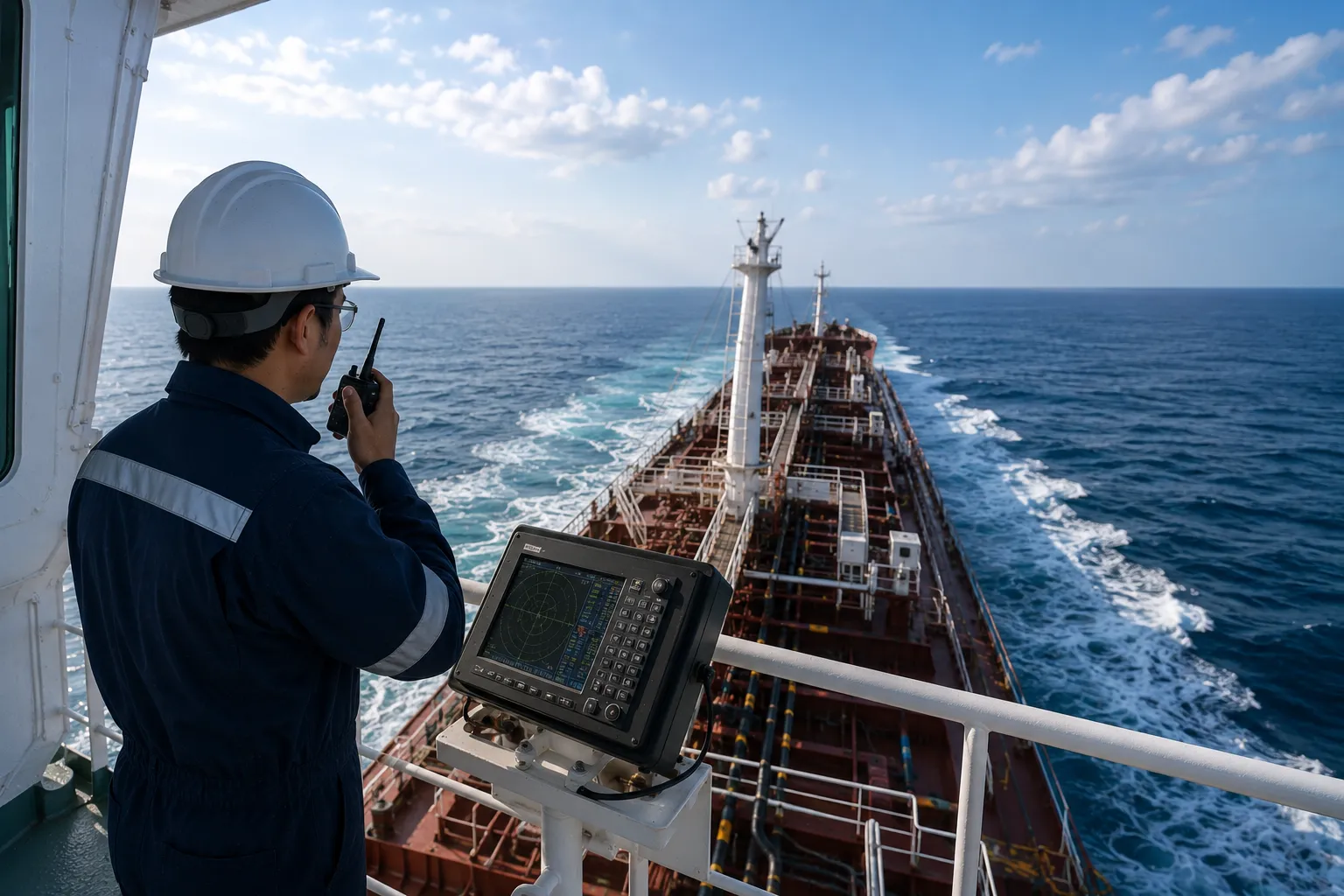
Rigorous dynamic handling trials evaluate the vessel's hydrodynamic performance, steering responsiveness, emergency stopping limits, and auxiliary safety machinery under full sea conditions. Strict adherence to overall safety compliance and crew management standards ensures all emergency drills are executed safely.
Key Execution Tasks
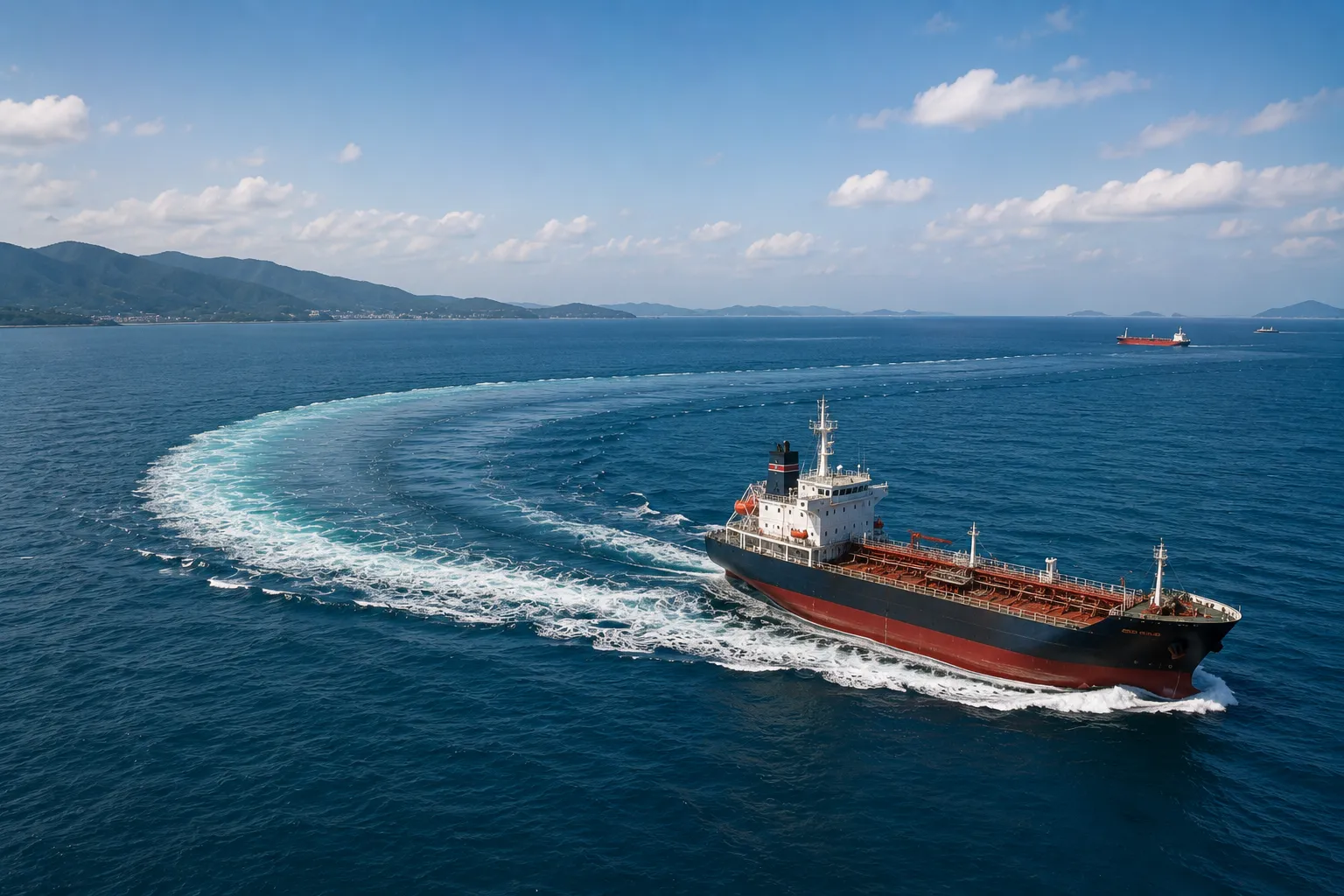
- • Crash Stop and Astern Runs: Measure full-ahead to full-astern stopping distance, head reach, track reach, and lateral displacement under max inertia.
- • Tactical Steering Trials: Execute 10/10 and 20/20 Z-maneuvers, pull-out tests, and 35-degree hard-over turning circle measurements.
- • Deck Safety & Anchor Testing: Perform deep-water anchor drop and windlass recovery tests alongside life-boat and davit operational deployments.
Hydrodynamic Maneuvering Assessment Report, Emergency Crash Stop Profile, Anchor & Life-Saving Equipment Trial Log
Data Calibration and Environmental Performance Analysis
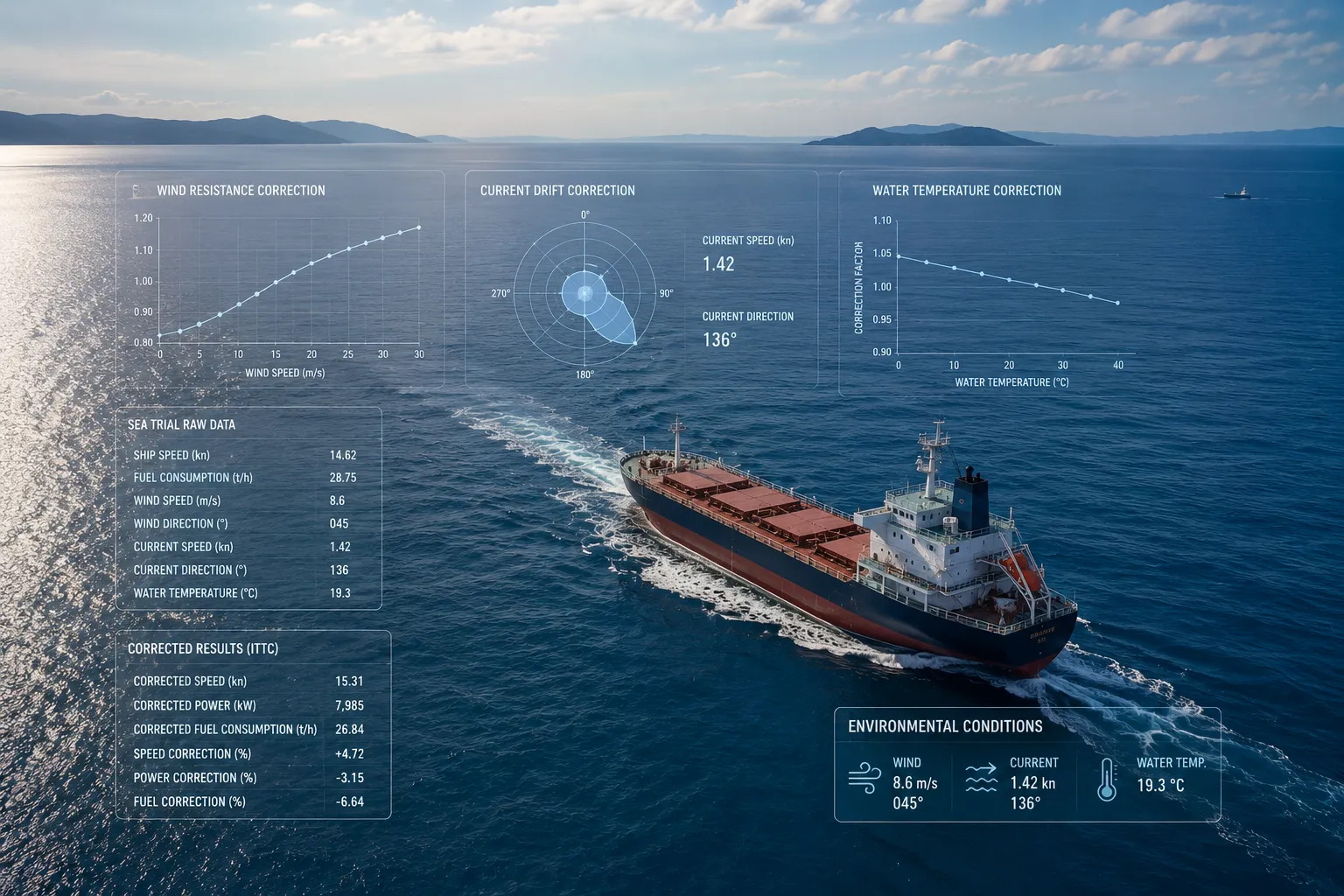
Raw sea trial speed and fuel consumption metrics must be normalized to eliminate environmental variables. Applying recognized ITTC guidelines, JUKO MARINE engineers calculate exact corrections for wind resistance, current drift, and water temperature.
Key Execution Tasks
- • ISO 15016 / ITTC Speed Correction: Apply ISO 15016:2015 and ITTC 2014 guidelines to correct raw speed data for sea state, wind force, shallow water depth, and displacement.
- • Fuel Consumption Normalization: Normalize measured SFOC data against lower calorific value (LCV) specifications and standard ISO ambient reference conditions.
- • Contract Warranty Verification: Overlay corrected speed-power curves onto charterparty contract guarantee baselines to confirm performance compliance.
Normalized Speed-Power Evaluation Report, Environmental Correction Certificate, Contractual Warranty Compliance Analysis
Post-Trial Debrief and Punch List Closure
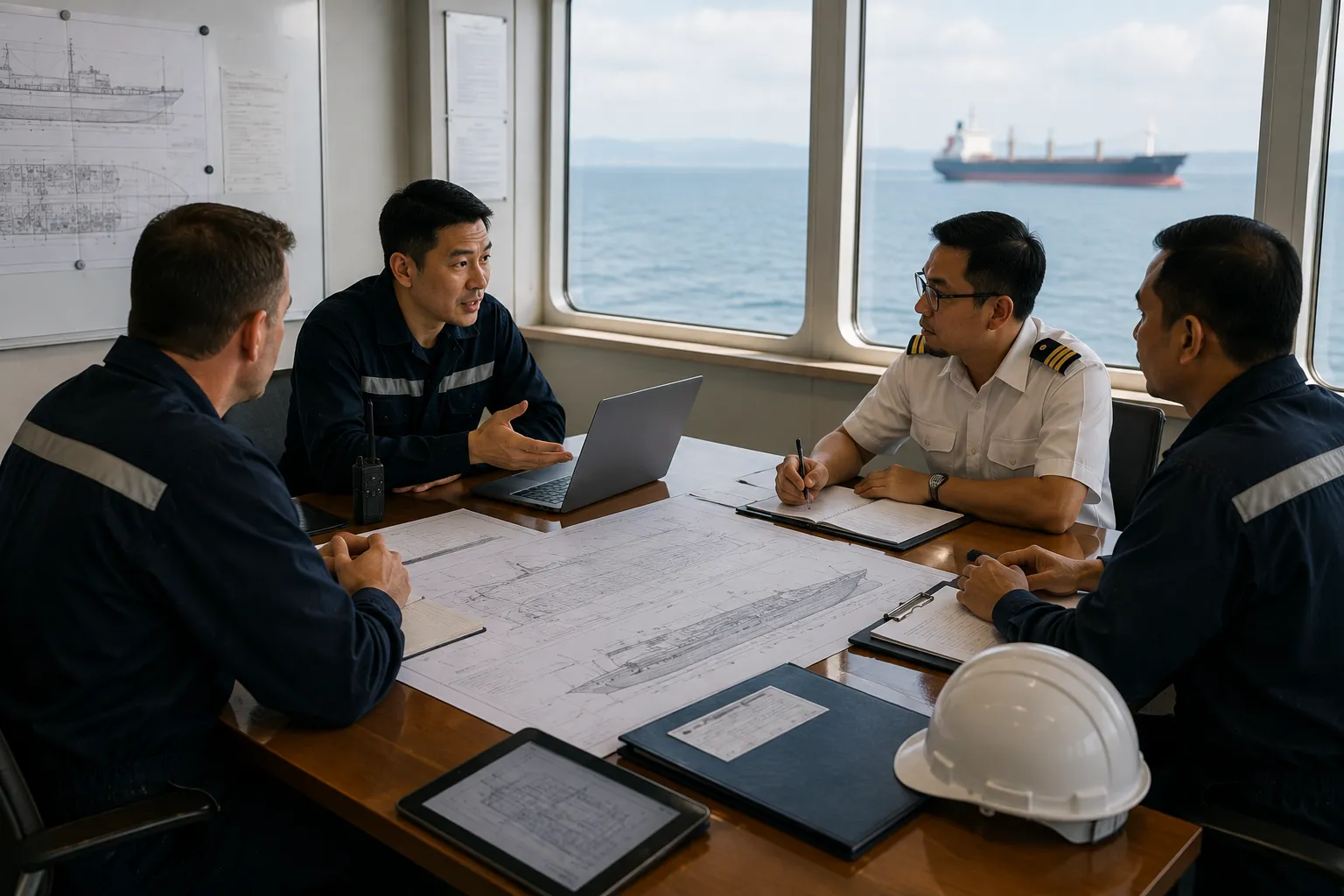
The sea trial protocol execution culminates in a structured tri-party debriefing. We lead discussions with shipyard management and classification societies to establish a legally binding punch list before signing final trial documentation.
Key Execution Tasks
- • Tri-Party Technical Review: Convene shipyard QA/QC directors, IACS class surveyors, and owner representatives to analyze all operational test records.
- • Punch List Categorization: Filter identified deficiencies into Category A (mandatory pre-delivery rectifications) and Category B (guarantee period items).
- • Protocol Memorandum Sign-Off: Draft and validate the official Sea Trial Protocol Memorandum with full technical disclosures and warranty statements.
Executed Sea Trial Protocol Memorandum, Categorized Defect Punch List, Technical Delivery Recommendation
Independent Metric Logging Protects Commercial Investments
Relying strictly on shipyard-reported sea trial data introduces significant commercial exposure. JUKO MARINE trial engineers deploy independent telemetry instruments to protect shipowners against speed penalty claims and unexpected operational fuel costs.
How Rigorous Marine Trial Coordination Secures Delivery Standards
Sea trials represent the final technical gate before vessel acceptance and financial settlement. Complex interactions between propulsion machinery, hull dynamics, and sea states can mask underlying defects or performance deficits if not independently monitored.
IACS Class Alignment
Every trial procedure strictly follows standards from DNV, ABS, Lloyd's Register, BV, and CCS, ensuring seamless statutory certification.
Root Cause Defect Resolution
Operational anomalies identified during trials undergo immediate root-cause analysis to prevent post-delivery warranty disputes.
Independent Third Party Supervision Built on Global Class Standards
Mitigating technical, financial, and operational risks during vessel construction requires rigorous third party shipyard supervision backed by deep expertise in IACS classification standards. JUKO MARINE operates strictly as an independent owner advocate, deploying full-time resident engineering teams to enforce vessel quality control, execute proactive technical defect resolution, and safeguard your capital investment from steel cutting through sea trials.
Rigorous Compliance with IACS Classification Standards
Our resident shipyard site supervision framework integrates seamlessly with major International Association of Classification Societies (IACS) rules. Site teams perform daily inspections to verify that every hull segment, machinery installation, and piping spool satisfies class mandates prior to official survey sign-off, supporting complete technical management throughout the asset life cycle.
- DNV & ABS Class Alignment: In-depth verification of high-tensile steel welding, non-destructive testing (NDT), structural fatigue details, and integrated control systems.
- Lloyd's Register & BV Rules: Strict auditing of protective coating dry film thickness (DFT), shaft alignment tolerances, auxiliary systems, and environmental compliance.
- CCS & ClassNK Execution: Continuous presence in key Asian shipyards ensuring class-compliant basin tests, machinery trials, and sea trial protocols.
Credentialed Resident Field Engineering Teams
Shipyard quality control is only as reliable as the engineers on the ground. JUKO MARINE deploys permanent, multi-disciplinary site teams composed exclusively of seasoned maritime professionals who handle daily inspections, hold-point verifications, and technical shipyard negotiations, while maintaining strict adherence to safety compliance crew management standards.
Steel fabrication, block dimensional control, NDT weld inspections, and hull integrity.
Main propulsion, pipe pressure testing, switchboard commissioning, and engine telemetry.
Bridge navigation alignment, deck machinery, safety gear trials, and sea trial supervision.
Structured Technical Defect Resolution Engine
Unresolved non-conformances lead to construction delays and costly operational downtime post-delivery. Our technical defect resolution engine logs, tracks, and escalates discrepancies immediately to secure rapid corrective action from shipyard management.
Immediate stop-work protocols for safety or structural non-conformances with owner notification within two hours.
Real-time logging of cosmetic and mechanical punch list items tied to mandatory root-cause corrective action plans.
IACS Classification Standards
Our site engineers maintain comprehensive, hands-on experience with major IACS rules, driving flawless sign-offs and ensuring zero unresolved critical defects at delivery.
Digital Reporting Suite
Complete construction transparency delivered directly to shipowners via real-time cloud dashboards and automated daily progress logs.
Strict Commercial Independence
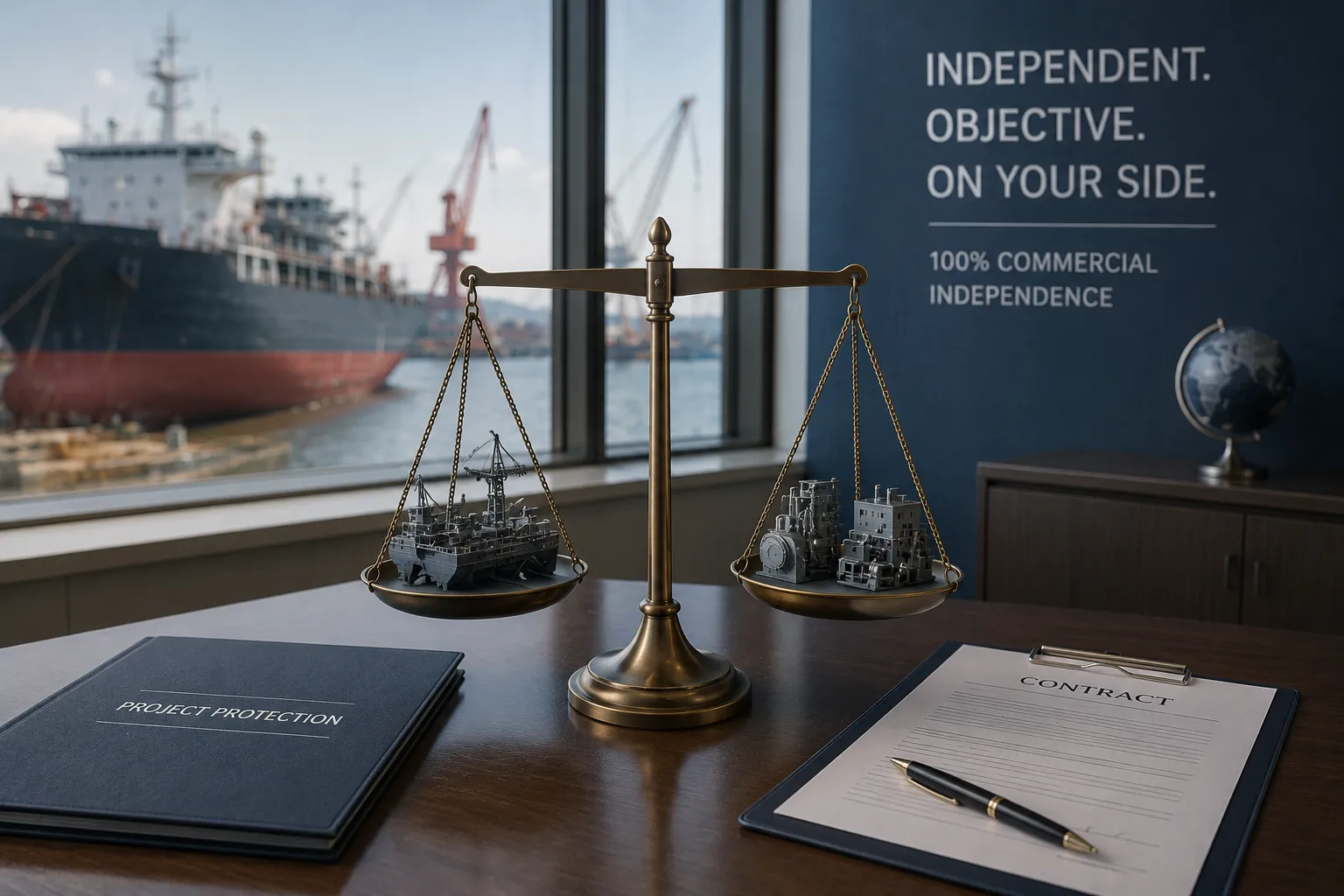
JUKO MARINE maintains 100% commercial independence from shipbuilders and equipment suppliers, protecting your schedule, budget, and contractual rights without compromise.
Trusted Technical Alignment Across All Major IACS Classification Societies
Traditional Supervision vs. The JUKO MARINE Model
Contrast modern data-driven owner representation against traditional ad hoc site oversight to accelerate commercial decision-making and protect long-term vessel asset value.
| Core Dimension | Traditional Ad Hoc Supervision | The JUKO MARINE Model Proprietary Advantage |
|---|---|---|
| Team Structure | Temporary contracted inspectors with varying oversight standards and fragmented accountability. | Seamless newbuilding site team integration featuring full-time senior marine engineers, naval architects, and master mariners. |
| Data & Visibility | Delayed weekly PDF reports offering static status updates and lagging risk indicators. | Real-time digital dashboard backed by immediate defect alerts for fast executive decision-making. |
| Sea Trial Validation | Heavy reliance on shipyard self-reporting without independent telemetry or speed-power verification. | Independent raw data acquisition paired with rigorous hydrodynamic correction analysis during sea trials. |
| Defect Resolution | Unstructured punch list disputes causing delivery delays and unmitigated technical debt. | Systematic root cause resolution and technical management negotiation led by dedicated owner representative maritime experts. |
Accelerated Decisions
Immediate digital insights empower shipowners to resolve technical and commercial discrepancies before delivery.
Lower Operational Risk
Rigid quality control and safety compliance oversight minimize hidden defects before the vessel leaves the shipyard.
Reduced Post-Delivery Off-Hire
Eliminate recurring warranty claims and guarantee immediate operational availability upon vessel handover.
Newbuilding Supervision & Sea Trial Support FAQ
Find authoritative answers regarding owner representative deployment timelines, sea trial protocol execution, IACS quality compliance, and dynamic technical defect tracking during vessel delivery.
01 At what stage should the site supervision team be deployed to the shipyard?
Mobilize the site supervision team one to two months prior to initial steel cutting or early block fabrication. Early integration allows JUKO MARINE senior engineers to audit workshop drawings, review shipyard Welding Procedure Specifications (WPS), verify shop primer application standards, and establish non-destructive testing (NDT) plans before structural construction begins.
Early shipyard site supervision eliminates costly downstream structural modifications and enforces strict raw plate quality control right from steel mill intake.
02 How are contractual speed shortfalls handled during sea trials?
Handling contractual speed shortfalls requires rigorous raw telemetry acquisition and standardized data normalization. Environmental factors like wind velocity, wave height, current, and shallow water effects alter uncorrected trial results. JUKO MARINE trial specialists apply ITTC 2017 and ISO 15016 international standards to calculate true contract speed against charterparty speed curves.
- Independent logging of GPS position, shaft torque, fuel consumption (SFOC), and main engine RPM.
- Hydrodynamic correction for wind resistance, sea state disturbance, and water density.
- Direct technical support during tri-party negotiations to protect liquidated damage terms.
03 Can services be engaged strictly for sea trial technical support without full-term supervision?
Yes. Vessel owners can contract standalone Sea Trial Support Packages. Under this arrangement, specialized marine engineers deploy shortly before departure to conduct pre-trial readiness audits, verify instrument calibration, attend all sea trials, log performance data independently, and oversee final acceptance sign-off.
This flexible option offers targeted technical risk mitigation during critical handover phases even when full-lifecycle site supervision was not previously engaged. Discover our comprehensive range of specialized maritime services to explore tailored solutions for your fleet.
04 How are daily defect logs and punch lists managed and communicated?
Defects are logged daily into JUKO MARINE’s cloud-based site supervision platform. Each entry includes detailed technical descriptions, photographic evidence, exact compartment coordinates, and risk severity ratings.
05 What IACS classification standards guide site team inspections?
Site inspectors work alongside major International Association of Classification Societies (IACS) members including DNV, ABS, Lloyd's Register (LR), Bureau Veritas (BV), China Classification Society (CCS), and ClassNK. Inspections verify complete compliance with SOLAS, MARPOL, MLC 2006, EEDI/EEXI benchmarks, and specific charterparty operational guidelines through our ongoing technical-management capabilities.

Independent Owner Representation
Protecting capital investments, performance guarantees, and operational reliability through strict third-party oversight at premier global shipyards.
Need Custom Technical Support for Upcoming Trials?
Our naval architects and senior chief engineers provide technical guidance, charterparty speed curve reviews, and customized site supervision scopes.